Real price ranges for Level 2 home charging in metro Atlanta, including the panel and rebate variables that change the quote.
Updated July 3, 2026
Typical range: $500 to $2,000 for Level 2 installation, plus $400 to $700 for the charger. Panel upgrades add $1,000 to $3,000 when your panel cannot support the new circuit.
Quote anatomy
What does each part of the job cost?
Line itemTypical rangeWhen it applies
Level 2 charger hardware$400 to $700Always, unless your car came with a wall unit.
Standard installation$500 to $2,000Labor, breaker, short wire run, and mounting.
Permit and inspection$50 to $300Usually included inside the install quote.
Panel upgrade$1,000 to $3,000Common in older homes with full or undersized panels.
Load management device$300 to $800Sometimes avoids a full panel upgrade.
Outdoor mounting or trenching$200 to $1,000+Driveways, carports, detached garages, and longer conduit runs.
Hardware examples
If you buy the charger yourself, confirm it before ordering
Disclosure. This site may earn a commission from clearly labeled charger-hardware links. Installer rankings stay editorial. Hardware links don't affect placement.
Some Atlanta homeowners buy a charger before scheduling installation. That's fine when the model, amperage, plug or hardwire plan, mounting location, and permit path all fit the quote. Treat every link below as a hardware example to confirm with your installer, not a product ranking, rebate guarantee, or substitute for the load calculation.
Wallbox product context. Confirm the exact model with your installer before ordering. Not an install ranking or rebate claim.Emporia and ChargePoint product context. Confirm the exact model with your installer before ordering. Not an install ranking or rebate claim.
Both clips are short product demos, not proof that this directory tested the hardware or that any installer is required to use these brands.
Cost drivers
What drives the price up?
Panel capacity
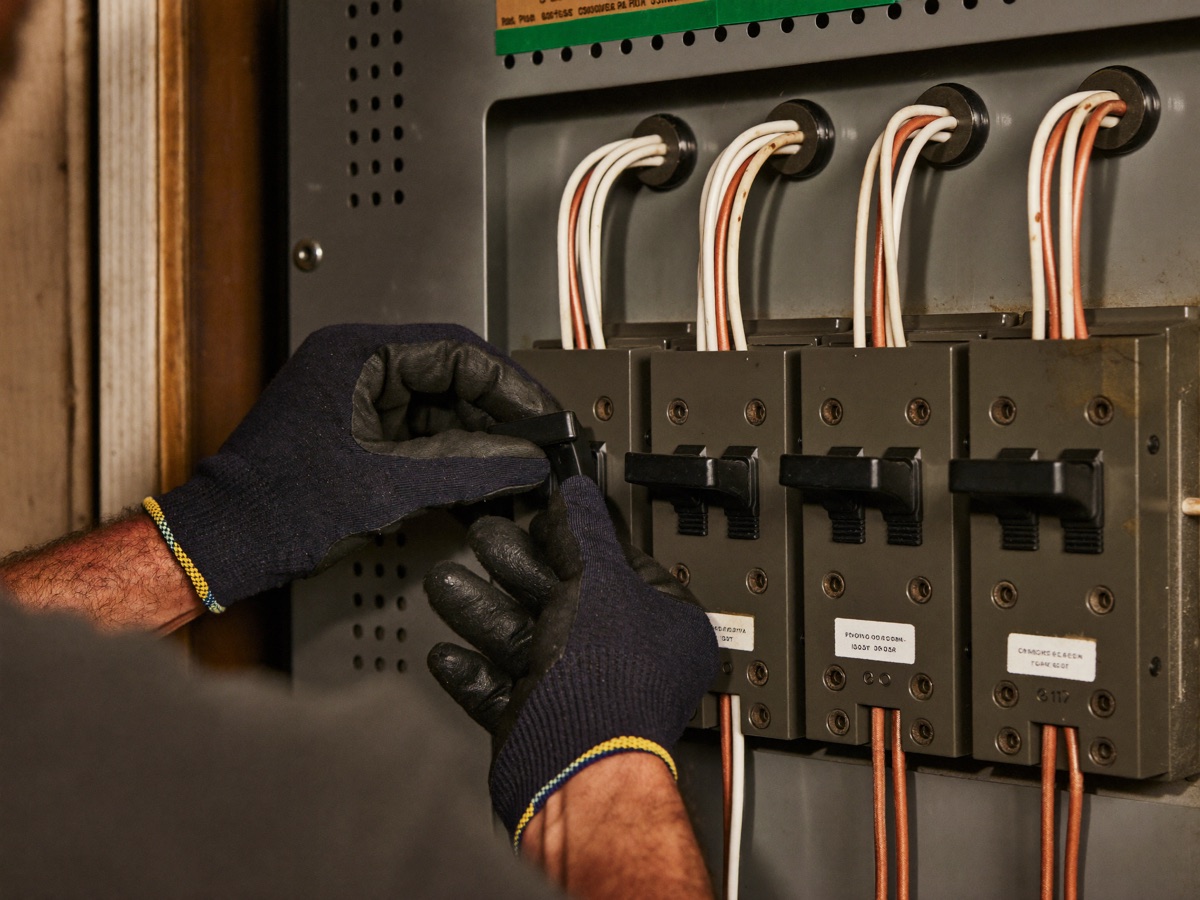
A 200-amp panel with open slots keeps you in the base range. A full or undersized panel is the biggest budget risk because it can force an upgrade or a load management workaround. Read the panel upgrade guide before approving that line item.
Distance
Every foot of wire between panel and parking spot costs money. A charger mounted near the panel can be straightforward; a 60-foot run to detached parking can double labor and materials.
Location
Indoor garage installs are the cleanest case. Outdoor installs need weatherproof equipment and GFCI protection. Detached garages may require trenching.
How rebates change the math
A $1,750 install could net closer to $1,450 if the current Georgia Power rebate pays the full advertised amount. Georgia Power lists the residential Level 2 rebate as up to $300 on its current rebate page, with funding and amount subject to change.
For new installs after June 30, 2026, do not use the federal 30C credit to lower the quote. Read the post-30C Georgia incentives guide.
Buying advice
What should an Atlanta quote include?
A complete quote names the load calculation result, circuit size, permit and inspection, exact mounting location, wire route, and charger model if hardware is included. A quote missing the permit or load calculation is not cheaper. It is incomplete.
Get two or three quotes from the ranked installer directory. Route planning alone can swing the price by $1,000 on the same house.
FAQ
Frequently asked questions
Is it cheaper to buy my own charger?
Usually a wash. Quality Level 2 chargers run $400 to $700 retail. If you supply your own, confirm the exact model, amperage, plug or hardwire plan, and permit path with your installer before ordering. This site may earn a commission from clearly labeled charger-hardware links, but hardware links don't affect installer rankings.
Why do quotes vary so much?
The wire run and panel condition matter more than the charger. Two electricians may price the same home differently if one finds a shorter route.
Does a panel upgrade always cost extra?
Only when needed. A load management device can sometimes substitute for a $1,000 to $3,000 panel upgrade. The quote should show the load calculation either way.
What does home charging cost compared to public charging?
Georgia Power's EV rate plan discounts overnight electricity from 11 p.m. to 7 a.m. Public DC fast charging usually costs much more per kilowatt-hour.